Ready-to-Move vs Under-Construction Homes: Which is the Better Choice?
Written By: RAMS Real Estates
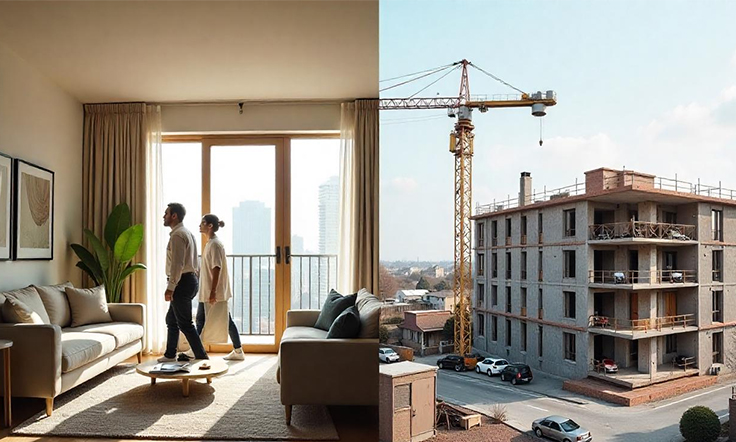
Table of Contents −
The Indian real estate market has transformed rapidly over the past decade, fueled by urbanisation, evolving lifestyles, and the rise of nuclear families. With increasing demand for housing, buyers today face a key decision: you invest in a ready-to-move-in property or an under-construction home?
This choice isn’t as simple as it seems. Each option comes with its own set of advantages, risks, and long-term implications. Thanks to regulatory reforms like RERA and improvements in construction standards, the decision-making process has become clearer — but buyers still need to weigh multiple factors. Let’s explore both sides in detail.
What Do These Terms Mean
- Under-Construction Property: A home that is still being built. The stage may vary from initial excavation to final finishing. Buyers typically take possession after several months or even years, depending on project timelines.
- Ready-to-Move-in Property: A completed home that is legally approved and available for immediate possession. Buyers can physically inspect it, sign the documents, and move in without waiting
Pros & Cons at a Glance
| Factors | Under-Construction Homes | Ready-to-Move-in Homes |
|---|---|---|
| Price | 10–30% cheaper | Higher cost due to completed status |
| GST | 5% GST applicable | No GST (post-occupancy certificate) |
| Possession | Timeline depends on project progress | Immediate move-in |
| Customisation | Flexibility in design/layout | Limited changes possible |
| Risk Factor | Possible delays, approvals, or halts | Low risk, high certainty |
| EMI Burden | May pay EMI + rent simultaneously | EMI begins after possession |
| Investment Returns | Higher appreciation potential | Steady but limited short-term growth |
| Transparency | RERA helps but risks remain | Full clarity — “what you see is what you get” |
Price & Affordability
- Under-Construction: Usually cheaper, as developers price early-stage homes lower to attract buyers and generate cash flow.
- Ready Homes: Costlier since prices factor in construction, taxes, and holding costs — but with zero uncertainty.
Choose under-construction if you want affordability and can wait. Pick ready-to-move if you value certainty over savings.
Taxation (GST Impact)
- Under-Construction: Subject to 5% GST without input tax credit, which adds to the final cost.
- Ready-to-Move: Exempt from GST, making them financially attractive for buyers seeking clarity on expenses.
Possession Timeline
- Under-Construction: May involve long waits, and delays are possible despite RERA safeguards.
- Ready Homes: Immediate handover — perfect for buyers moving out of rented houses or relocating quickly.
Quality & Transparency
- Ready Homes: Buyers can physically inspect the unit, check amenities, and judge the surroundings before purchase.
- Under-Construction: Quality depends on promises, brochures, and sample flats. Though RERA improves transparency, uncertainty remains.
Customisation Options
- Under-Construction:More scope to personalise layouts, tiles, fittings, or finishes during early phases.
- Ready Homes: Sold as-is, with limited flexibility for modifications.
EMI and Financial Burden
- Under-Construction: Risk of paying rent and EMIs together until completion.
- Ready Homes: Easier transition — EMI replaces rent once you move in.
Investment Potential
- Under-Construction: Stronger potential for capital appreciation as the project nears completion and infrastructure around it develops.
- Ready-to-Move: Limited price growth but offers immediate rental income, making it ideal for investors seeking returns from day one.
Who Should Buy What?
Under-Construction Homes Suit:
- Young professionals and first-time buyers seeking affordable entry.
- Investors looking for long-term appreciation.
- Buyers who want customisation and are comfortable waiting.
Ready-to-Move Homes Suit:
- Families needing quick relocation.
- Senior citizens or buyers seeking stability.
- Those avoiding dual rent + EMI burdens.
- Buyers who prioritise certainty and peace of mind.
Checklist Before You Decide
For Under-Construction:
- Verify RERA registration.
- Check developer reputation and financial stability.
- Review legal approvals and project timelines.
For Ready Homes:
- Inspect the property physically.
- Confirm occupancy certificate.
- Verify builder reputation and neighbourhood infrastructure.
Conclusion
Both options have their merits.
- Choose under-construction if you value affordability, flexibility, and long-term appreciation — and can manage the wait.
- Choose ready-to-move-in if you prioritise convenience, security, and certainty.
Ultimately, the right choice depends on your financial situation, lifestyle needs, and risk appetite. By aligning these with the right property type, you’ll make a smarter, stress-free homebuying decision.